
Marine
The art of R&D: Developing a new compressor platform for LNG carriers
September 9, 2026 8 min read
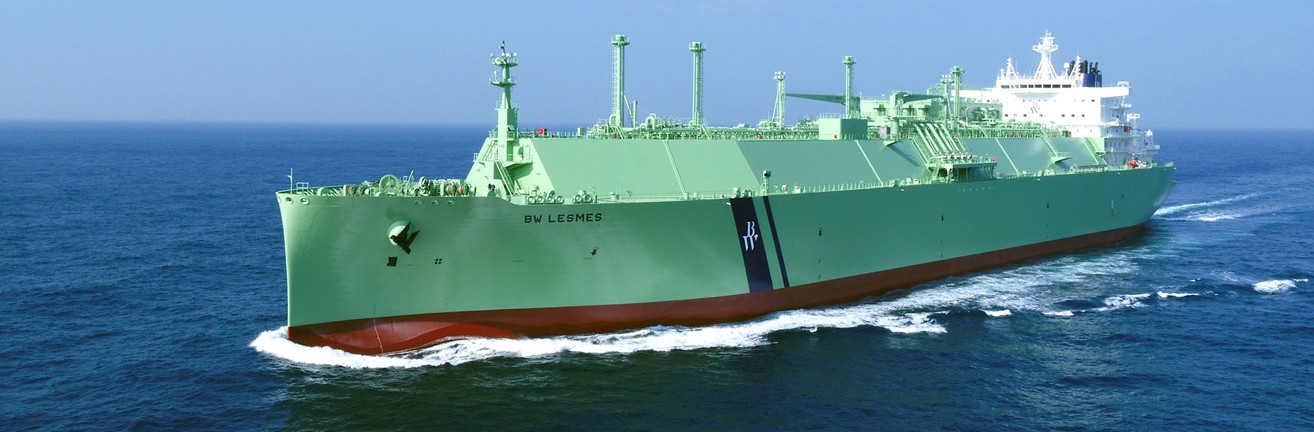

Taking a closer look at research and development (R&D) at Burckhardt Compression, we speak with Piero-Daniele Grasso, Senior Development Project Manager, and Thomas Hess, Senior Product Manager LNG Marine, about how the development of a new compressor platform for high-pressure LNG carriers is progressing.
What prompted the development of the new compressor platform for high-pressure LNG carriers?
Piero-Daniele: In the past, R&D projects were often driven by customer requests asking for changes to existing technology. But the request to start an R&D project for a new compressor platform for high-pressure LNG carriers came from Thomas Hess and Philipp Gerbode, our Product Managers. They are our “internal customers” in the R&D process.
Thomas: I closely follow market developments, particularly the number and type of LNG carriers planned for future construction. Shipbuilding is evolving; new vessels feature improved cargo insulation causing less boil-off gas (BOG) to evaporate from LNG containment systems. This means we must offer smaller, more efficient, and cost optimized compressor systems going forward.
What advantages does a platform-based product approach bring compared to engineering to order (ETO)?
Piero-Daniele: This development approach enables us to create fully developed, modular products that serve a wider range of applications and customers. It strengthens our product portfolio, reduces variants, and simplifies product maintenance. Most importantly, it shortens 38 delivery times and significantly lowers engineering costs during project execution.
Thomas: That’s why we use the term “compressor platform”. Our goal is to develop a plug in system where the modules and variants are predefined. The platform covers a defined performance range, and customers will be able to choose from available configurations. We are directly addressing market needs, developing the product before the order arrives. Custom engineering is still possible, but rather as an exception.
Compressor platform for LNG carries: Key questions answered
| Why is a platform-based compressor approach beneficial compared to engineering-to-order (ETO)? | A platform-based approach uses predefined modules and validated configurations that cover a defined performance range. This reduces engineering effort, shortens delivery times, simplifies maintenance, and allows customers to choose proven compressor configurations while retaining flexibility where needed. |
|---|---|
| Why are new compressor solutions needed for next-generation LNG carriers? | Improved cargo insulation systems reduce boil-off gas (BOG) generation on modern LNG carriers. This creates demand for smaller, more efficient, and cost-optimized compressor systems capable of meeting evolving vessel and propulsion requirements. |
| Why is standardization important in LNG carrier compression? | Standardization reduces product variants, simplifies maintenance, lowers engineering costs, and enables faster delivery while maintaining the flexibility needed for different LNG carrier applications. |
Is the shift from the ETO to the platform-based approach influencing the set-up of the R&D project?
Piero-Daniele: Yes, significantly, I find it a welcome change. It allowed me more time to look at the challenge from every angle, creating a detailed project set-up that includes around 35 people from 17 different departments. I am aware it may sound like a lot, but based on previous experiences, the main goal was to prevent teams working in silos. To speed up development time, we employ an agile approach. The development is carried out by three teams that continuously work in parallel: two engineering teams developing the compressor core and cylinders, and one team responsible for the skid and auxiliary systems. They work in short, two-week cycles and meet regularly to align on interfaces and progress. Other departments, like System Engineering, Sizing, Procurement, Services, Manufacturing, and Quality are in volved from early on and join reviews as needed, ensuring that performance, sourcing, assembly, and maintenance aspects are aligned across teams. This close coordination helps avoid late design changes and keeps the entire system development on track.
What are the biggest engineering challenges you’re facing when developing the new compressor platform?
Thomas: We are challenged to understand customer needs early on, even before detailed specifications are available, in order to minimize the need for major adjustments later. At the same time, the platform must be robust and future-proof, anticipating market shifts and supporting the decarbonization commitments of the marine sector. This approach helps build customer confidence in choosing a newly developed product even before long-term service experience is available. Early customer feedback shows that we are on the right track. We received a major order from Hanwha Ocean to supply 14 compressors from our new plat form for seven next generation LNG carriers. The vessels will include a new cargo containment system with improved insulation and an upgraded 330 bar ME-GI propulsion engine from Everllence. The results are less BOG and better energy efficiency, important for meeting tighter emissions and methane slip rules. With Hanwha Ocean defining the vessel specifications and Everllence driving the engine requirements, both of their design teams joined the R&D effort at an early stage to help shape the final platform configuration we will deliver.
How do you see R&D projects moving forward?
Thomas: For me, it is all about advancing standardization and modularization through R&D. To ensure our competitiveness, it is important we examine our product lines and consider which could be standardized. It is not only about saving on engineering hours, in the end, it is the customer that benefits most. A great example is the Laby-GI 5LP250V platform which has sold more than 60 times in a standard configuration. We help the client choose the correct compressor configuration based on their specific engine fuel-gas supply pressure and how much BOG is generated during gas transportation. Choosing from pre-cataloged variants, we save our customers time and money on the preparation of the order documentation.
Piero-Daniele: The recent project setup has strengthened our understanding of interdisciplinary interfaces and synergies, enabling us to better manage grey zones and avoid costly late-stage issues. These insights now feed directly into the continuous improvement of our organization's innovation process and our project team structures, enhancing both development quality and speed. This provides a solid foundation for shaping future development projects aimed at delivering fully standardized compressor systems at competitive costs.
Key takeaways
- Lower BOG volumes are driving demand for smaller, more efficient LNG carrier compressor systems.
- Our platform-based approach reduces engineering effort, delivery times, and product complexity.
- Predefined compressor configurations simplify project execution and maintenance while retaining flexibility for specific applications.
- Agile, cross-functional development accelerates innovation and minimizes late-stage design changes.
Related
Downloads
- Laby-GI fuel gas compressor systems EN pdf 725KB
Weitere Sprachen
No other languages available
Future-ready compression starts with the right platform.
Transform your workplace with our solutions.
More insights
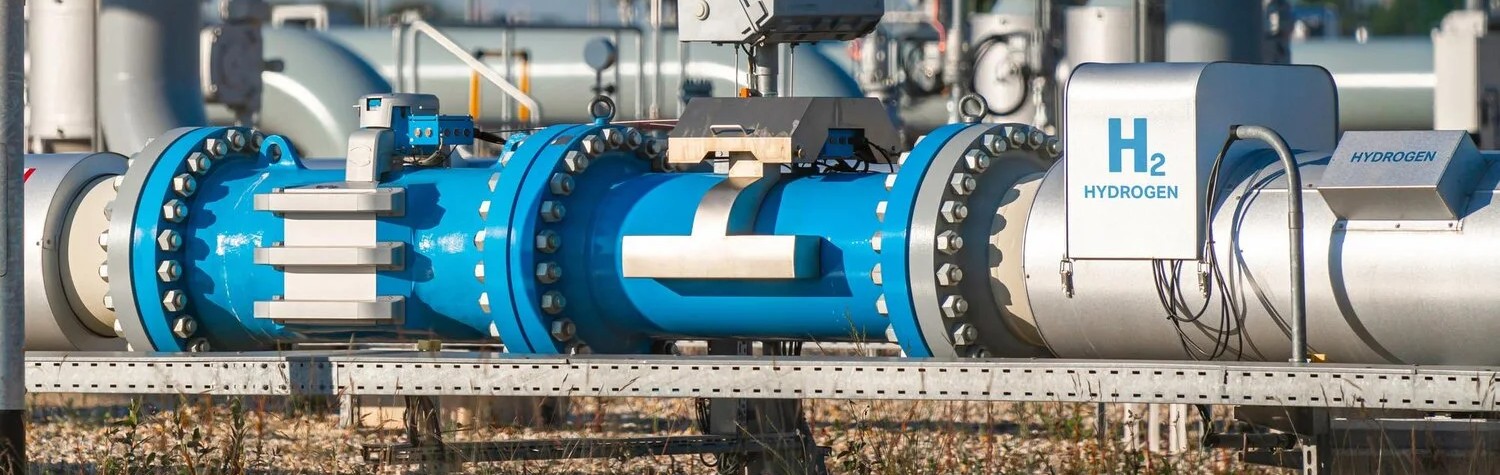
Enabling Europe’s Hydrogen Backbone: compression technology for large-scale storage
How we are supporting Europe's energy transition.
7. Oktober 2026 7

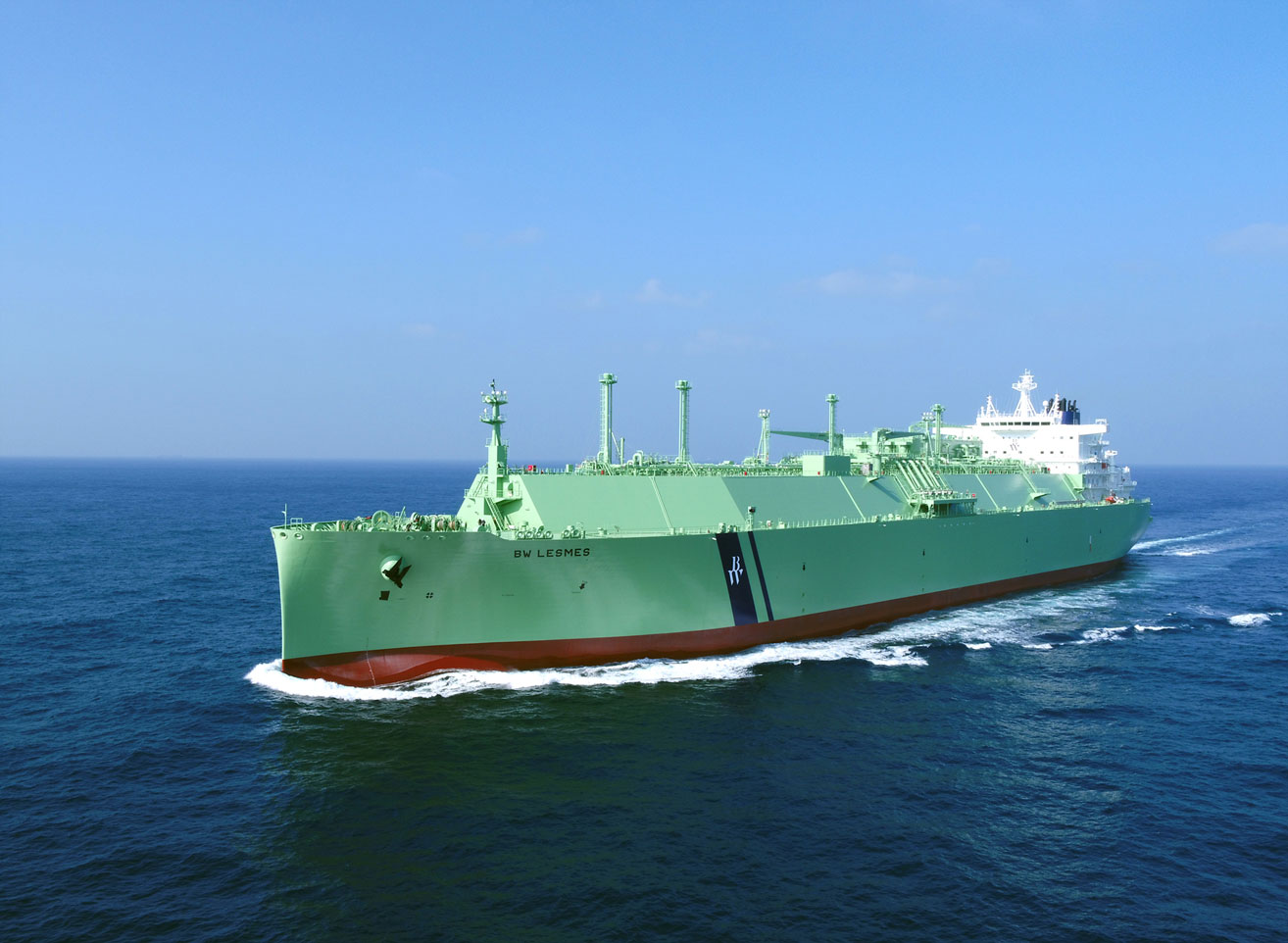
The art of R&D: Developing a new compressor platform for LNG carriers
How standardization and modular design are helping meet the evolving demands of next-generation LNG carriers.
9. September 2026 8
