
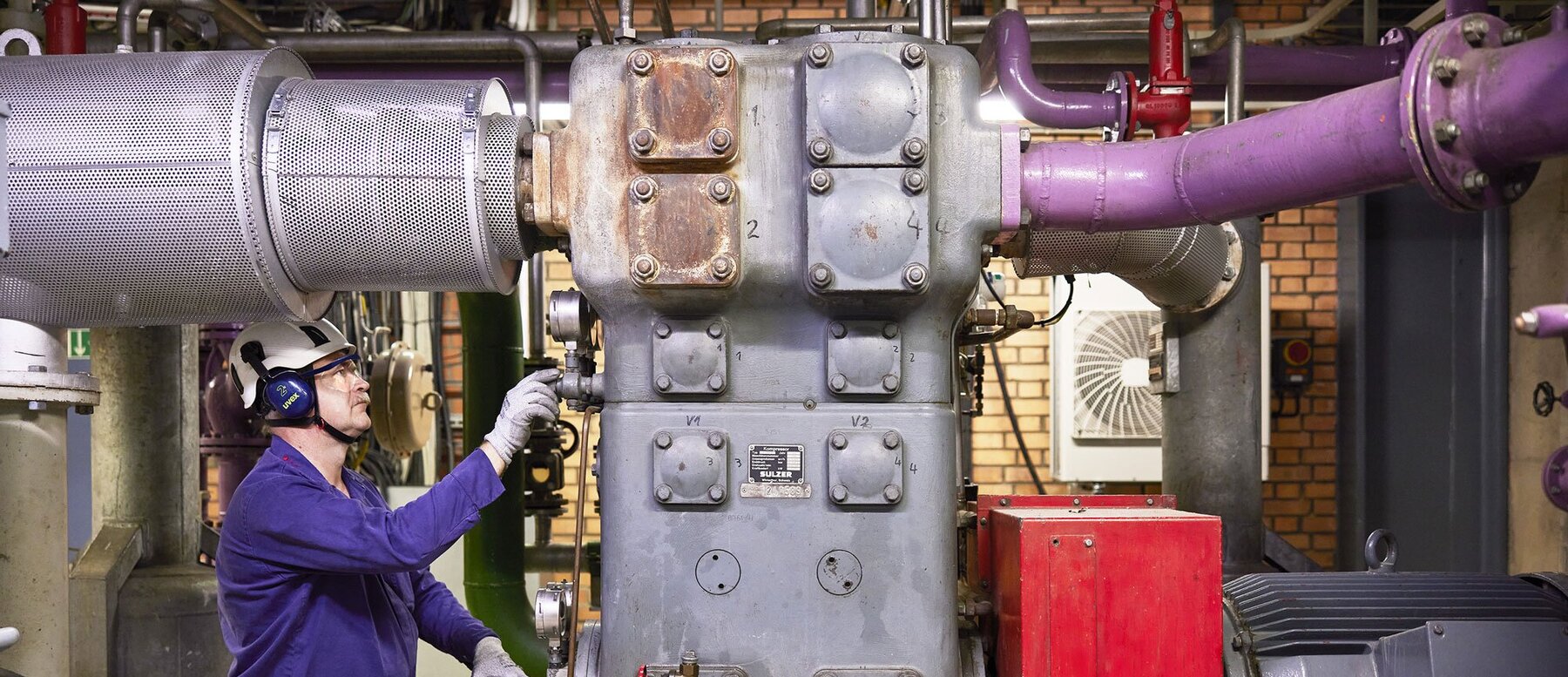
Energy efficiency solutions
AI Summary
Industrial compressors often operate below optimal efficiency, leading to increased energy use, higher costs, and greater emissions. Improving compressor efficiency, even by a small margin such as 5%, can result in significant energy savings—for example, around 1,000,000 kWh annually for a 2.5 MW compressor. Enhanced efficiency reduces operational expenses (OPEX), extends equipment lifespan, lowers emissions, and improves reliability by minimising shutdowns and gas losses. Achieving true efficiency requires a system-wide approach rather than focusing on individual components. Common causes of inefficiency include leakages, outdated valves and sealing systems, suboptimal cooling, and poor operating practices. These issues not only waste energy but also accelerate wear and reduce overall system performance. Reliability and efficiency are closely linked; inefficiencies increase mechanical stress and thermal loads, which in turn cause faster deterioration and more frequent shutdowns. The first step to improvement is a comprehensive assessment of the compressor system to identify inefficiencies and leaks, quantify losses, and prioritise actions. Targeted improvements may include advanced sealing, high-efficiency valves, optimised cooling, modern control systems, and capacity/load optimisation. The benefits of these improvements include a more stable, efficient, and reliable compressor system with reduced energy consumption, extended equipment life, and fewer unplanned downtimes. Additionally, improved efficiency supports regulatory compliance and sustainability goals by lowering emissions and enhancing safety. Proactive, data-driven decisions and assessments help maximise the value of compressor assets.
Optimize your compressor efficiency
Industrial compressors often run below optimal performance, increasing energy consumption, costs, and emissions. Improving efficiency is a direct way to reduce OPEX while boosting reliability and sustainability. Even small gains have a large impact. A 5% efficiency improvement on a 2.5 MW compressor can save around 1,000,000 kWh per year.
Why it matters
Efficiency improvements deliver measurable benefits:
- Lower energy consumption results in reduced costs
- Less mechanical stress and thermal load mean longer component life
- Higher availability causes fewer shutdowns and gas loss events
- Lower emissions result in better compliance with environmental regulations
A system-wide challenge
True efficiency, however, is never the result of a single adjustment. It depends on how well the entire compressor system performs. Losses often occur due to leakage, inefficient valves or sealing systems, suboptimal cooling, or outdated operating practices. Over time, these factors not only waste energy but also accelerate wear and reduce overall system performance. Taking a system-wide perspective is therefore essential to unlocking meaningful improvements.
Reliability and efficiency are linked
Efficiency and reliability directly influence each other.
- Unreliability and wear result in operating inefficiency, i.e. high-pressure losses, more internal leakages
- Inefficient operation results in higher temperatures and interstage pressures
- Higher mechanical stress and thermal loads result in accelerated deterioration
- Accelerated wear and deterioration further increase inefficiency
Unreliable compressors cause more frequent shutdowns, resulting in loss of process gas.
Understanding system behavior

From insight to improvement
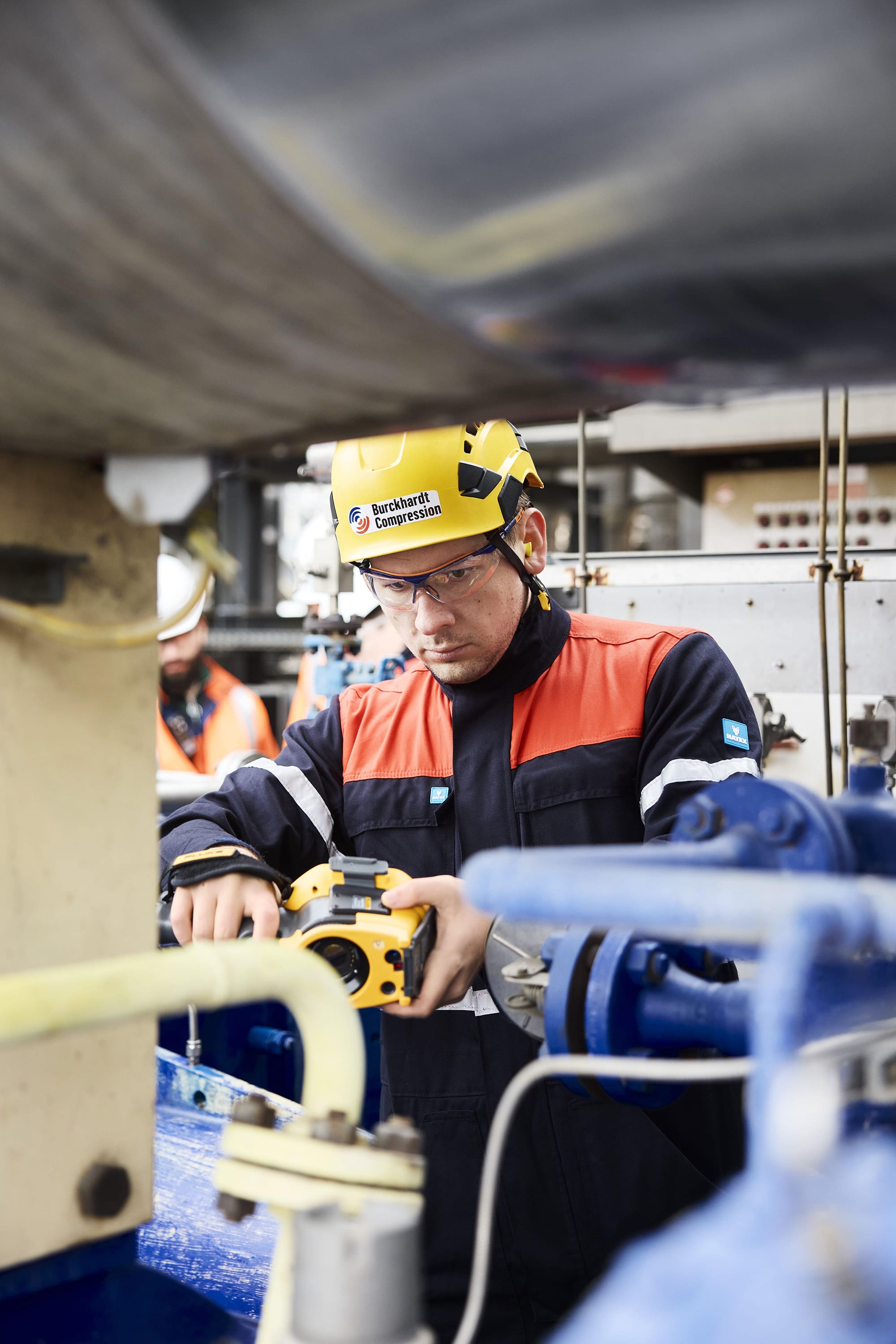
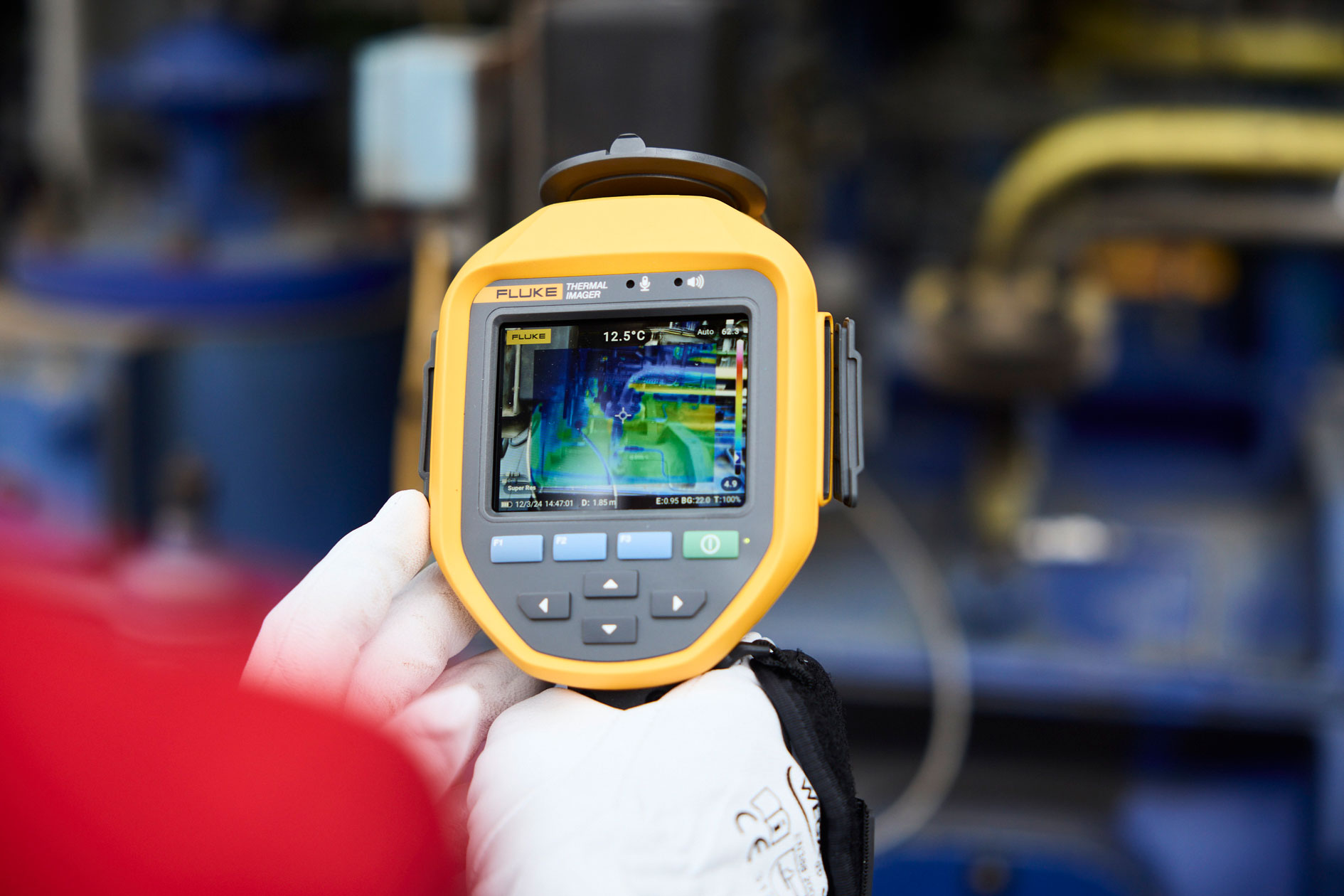
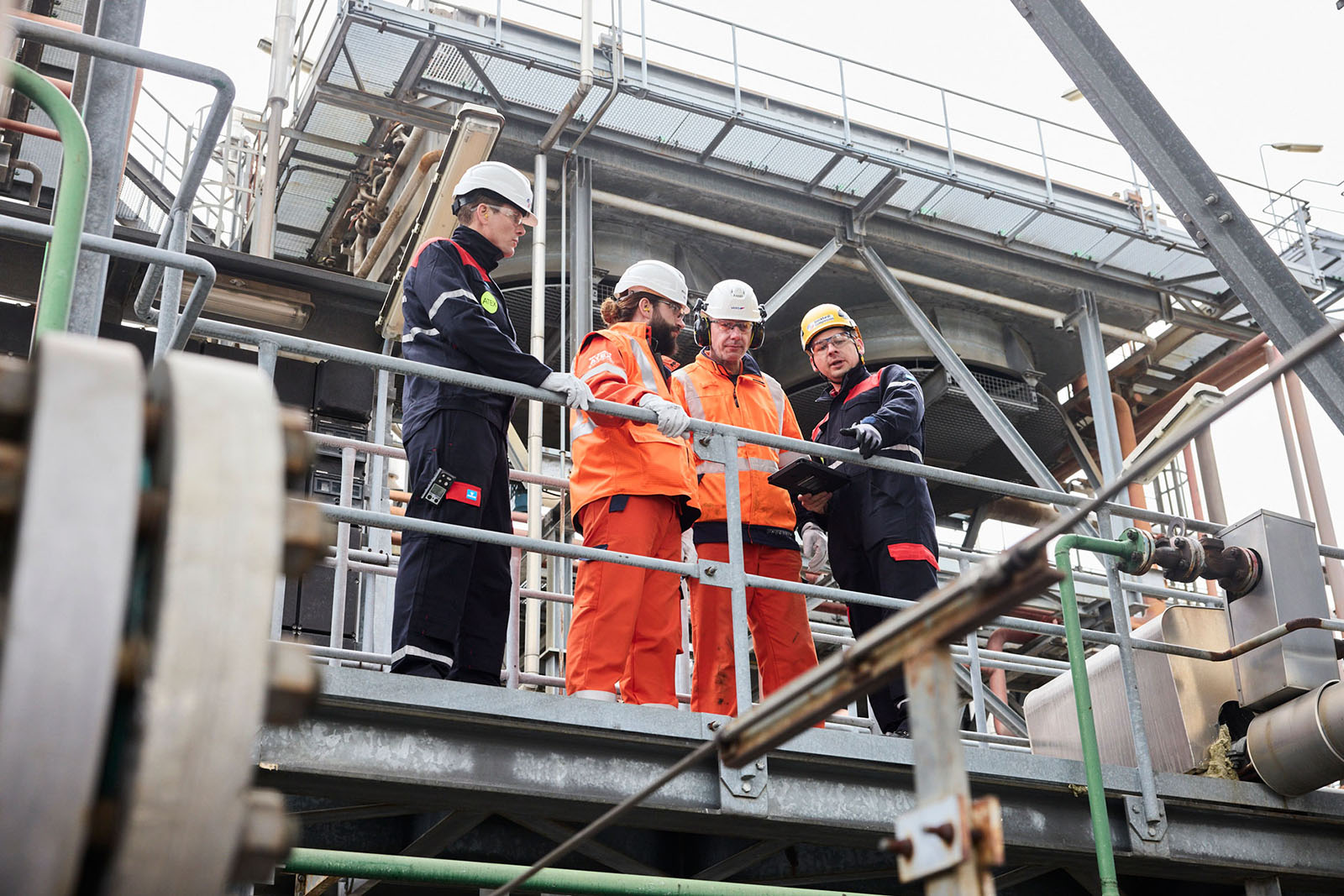
The first step toward improvement is gaining transparency. A comprehensive assessment of the compressor system helps identify inefficiencies and leakages, quantify performance and energy losses, and highlight the most critical areas for action.
Based on clear data and insights, targeted improvements include:
- Advanced sealing and high-efficiency valves
- Optimized cooling and auxiliaries
- Modern control systems and monitoring
- Capacity and load optimization
Results you can expect
The result is a more stable, efficient, and reliable compressor system. Energy consumption is reduced, equipment lifetime is extended, and unplanned downtime is minimized. Beyond the financial benefits, improved efficiency also leads to lower emissions and safer operation, helping you meet both regulatory requirements and sustainability targets.
Make every asset count
Boost efficiency with proactive, data-driven decisions.
Take control of your assets
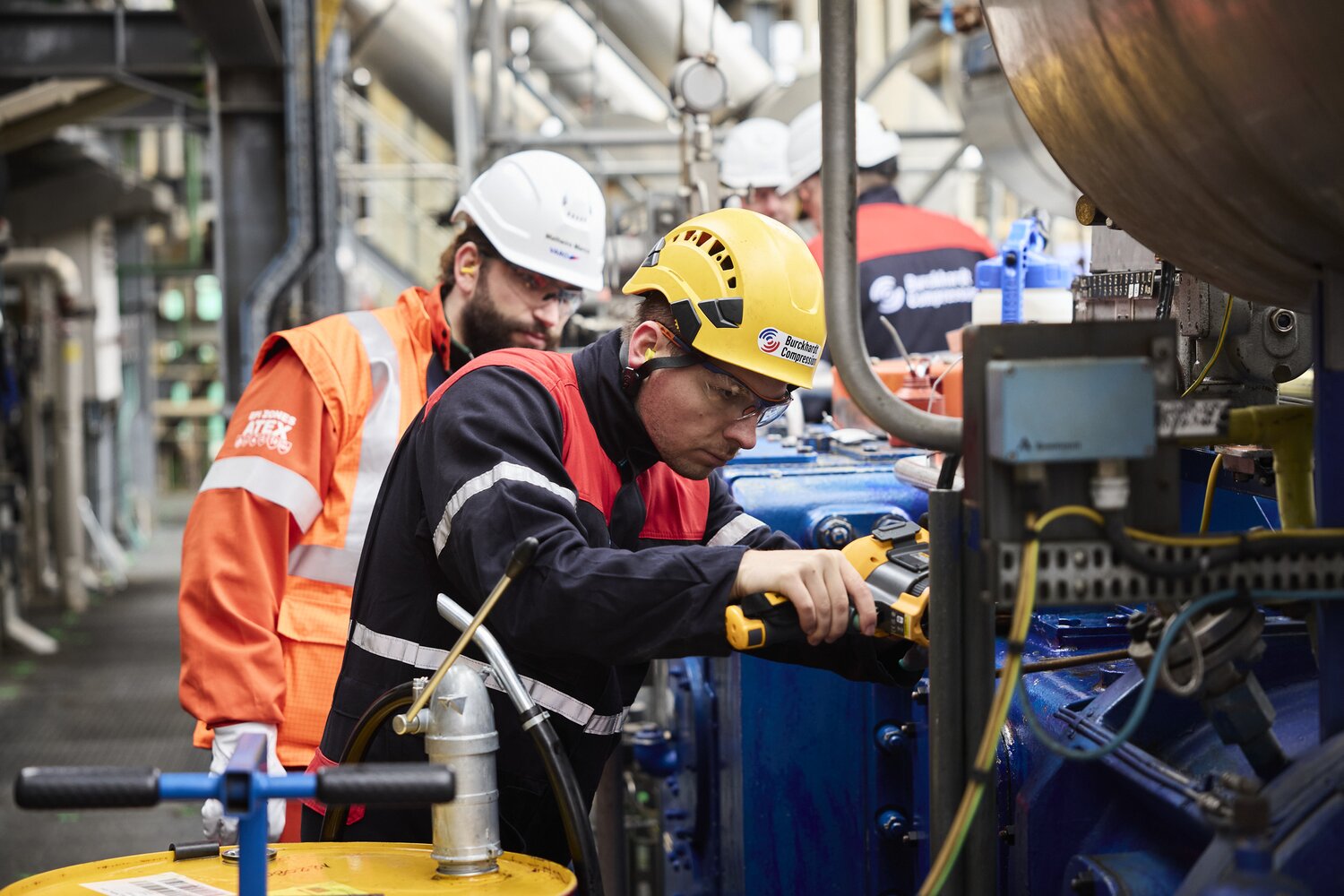
Improving compressor efficiency means moving from reactive fixes to proactive performance management.
Start with the right insights and unlock your system’s full potential.
Find your optimal service solution now!
Increase uptime and efficiency. Anywhere, at any time, count on us!